

Industrial Solar: The Future of Manufacturing
Introduction
As the owner of a textile unit, I once thought rising power bills were simply unavoidable. But when my monthly electricity cost crossed ₹25 lakh, I knew change was needed. That’s when I turned to industrial solar, a decision that not only reduced expenses but also reshaped the way I do business. Unlike grid electricity, where tariffs rise unpredictably, solar provides fixed energy costs for decades. This price stability helps factories plan budgets more accurately, reduce financial risks, and maintain consistent production without being impacted by market fluctuations.
For many manufacturing units across India, energy costs rank among the highest recurring expenses. Shifting to clean energy is no longer just about going green—it’s about survival, competitiveness, and sustainable growth.
Why Industrial Solar is Gaining Momentum
Electricity tariffs are rising every year, and industries are consuming more energy than ever before. This makes industrial solar an attractive long-term solution. Unlike conventional sources, solar guarantees predictable pricing, improves energy independence, and gives factories a sustainable edge.
One of the key advantages is its scalability. Whether a factory needs a few hundred kilowatts or multiple megawatts, solar can be designed to match demand. Moreover, with policies like net metering, excess energy can be exported back to the grid, further improving returns.
At this stage, the choice of an experienced Solar EPC contractor becomes essential. A reliable partner ensures system design, installation, and compliance are handled seamlessly. Companies like SEPL have supported several industries by delivering cost-effective solar projects tailored for manufacturing operations.
Choosing the Right EPC Partner
My initial hesitation about adopting solar stemmed from doubts about its reliability. Would it deliver the promised savings? Would it perform consistently? These concerns were resolved after working with a government-approved Solar EPC contractor. Certified partners bring expertise in engineering, procurement, and construction, ensuring the system complies with regulations and operates efficiently for decades.
Beyond technical expertise, the right EPC also provides after-sales support through AMC (Annual Maintenance Contracts). This long-term service guarantees peace of mind and reliable system performance. More importantly, embracing solar enhances brand reputation. Today, many global buyers prefer suppliers who follow sustainable practices. For industries in textiles, food processing, or automotive, adopting solar for factories has become a competitive advantage, helping them attract international clients and secure larger contracts.
Operational and Financial Benefits
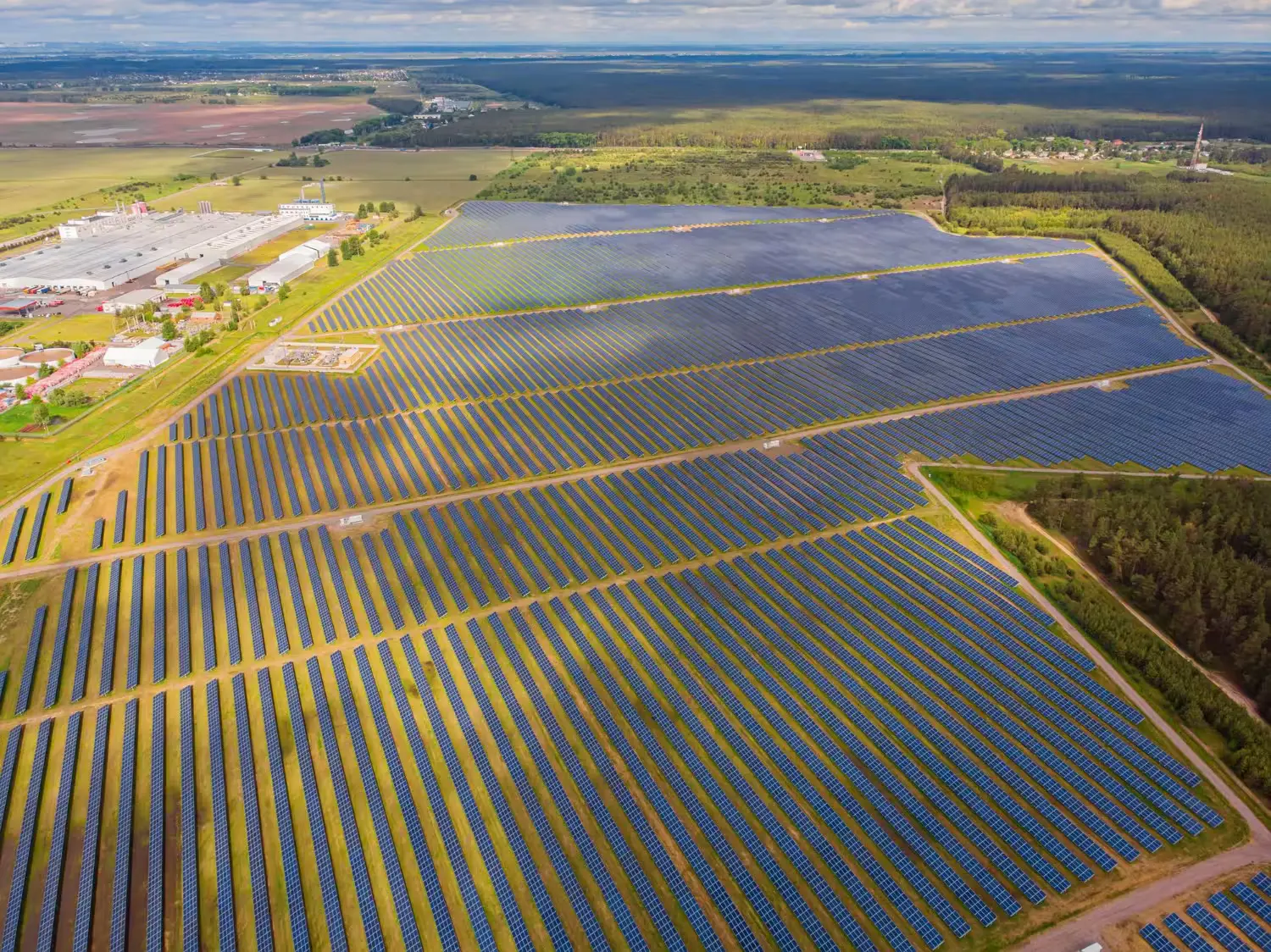
Switching to industrial solar is not just about reducing electricity bills; it’s about transforming business economics. My 1.5 MW ground-mounted system generates savings of nearly ₹1.2 crore every year. With a payback period of just four years and guaranteed AMC for 25 years, the system will keep delivering returns long after the initial investment is recovered.
Instead of being trapped by fluctuating tariffs, I now reinvest the savings into production expansion. Similar results are being experienced across multiple industries. Whether it’s a textile unit, an auto-parts warehouse, or a food processing plant, the adoption of solar for factories is proving to be a powerful tool for cost reduction and growth.
Rooftop vs Ground-Mounted Installations
The choice between rooftop and ground-mounted solar depends on the availability of space. For businesses with unused land, ground-mounted systems can generate maximum output. But for factories located in urban or semi-urban areas with limited space, rooftop installations are highly effective.
My neighbor’s auto-parts facility, for instance, installed a 600 kW rooftop system. Despite space constraints, the project delivers substantial savings. This flexibility shows that solar can be adapted to different factory environments, especially when guided by an expert Solar EPC contractor.
A Textile Unit’s Success Story
My own journey is just one example of how industrial solar can reshape operations. After installing a 1.5 MW plant, my factory achieved three key milestones:
- Energy bills cut by 50%
- Stable and reliable power with net metering
- Increased capital available for production growth
Soon, nearby industries followed suit. A food-processing SEZ even commissioned a 5 MW solar project, demonstrating how quickly solar adoption spreads within industrial clusters once success stories are visible.
The Business Advantages of Going Solar
Companies that adopt solar for factories enjoy three major benefits:
- Cost Savings – Lower energy bills improve margins and free up capital.
- Sustainability – Eco-friendly operations attract global buyers.
- Independence – Protection from unpredictable tariff hikes strengthens financial stability.
When combined, these benefits make solar one of the most future-proof investments for manufacturers.
ROI and Long-Term Insights
The financial case for industrial solar is straightforward. Most projects recover their costs in 3–5 years. With government incentives and decades of virtually free electricity afterward, the returns are unmatched. Partnering with the right Solar EPC contractor ensures that every stage—from approvals to installation and maintenance—delivers maximum efficiency and return on investment.
Lessons Learned
For me, shifting to solar was not just about saving money. It was about securing long-term stability, building credibility with clients, and future-proofing my factory against rising costs. What once felt like a ₹25 lakh monthly burden became an opportunity for growth powered by renewable energy.
Conclusion
For factory owners still undecided, the choice is clear. Industrial solar is no longer an experiment—it is a proven solution for lowering costs and gaining a competitive edge. With the support of a trusted Solar EPC contractor, adopting solar for factories guarantees financial savings, sustainability, and long-term business growth.
FAQs
1. What’s the average payback period?
Usually 3–5 years, depending on plant size and energy use.
2. Can solar fully power a factory?
Yes, with proper design and integration through net metering.
3. Why hire an EPC contractor?
They manage design, installation, approvals, and long-term maintenance.
4. Which is better—rooftop or ground-mounted?
Both are effective. Rooftops suit smaller spaces, while ground-mounted systems maximize output on open land.
5. Can solar systems expand with time?
Yes, most installations are scalable and can integrate with battery storage.